Easier campsite setup: hydraulic or electric leveling
Understand leveling, stability and the options that may fit your RV.
01 / 06 · What it is
Level and steady are different jobs.
Leveling changes the RV’s position. Stabilizers reduce movement after it is level. A stabilizer must not be used as a lifting jack. The correct system depends on the RV’s approved application.
1
Level: adjust position
2
Stabilize: reduce rocking
3
Fit: match the RV
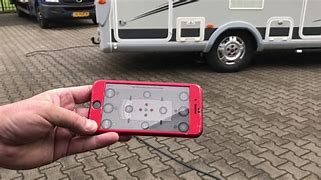
Leveling equipment image from ATRV’s service page. Final equipment is selected for your RV.
02 / 06 · What you’ll notice day to day
Less effort during setup.
A compatible powered system can reduce manual setup work. It does not make every campsite suitable. Ground conditions, available travel and the manufacturer’s operating sequence still matter.
1
Choose suitable ground
2
Follow the setup sequence
3
Enjoy a steadier stop
03 / 06 · Which option fits you
Lippert and EQ leveling systems.
ATRV installs Lippert and EQ leveling systems across RV types. Electric systems use motor-driven jacks; hydraulic systems use fluid-driven cylinders. We match the specific system to your RV.
1
Lippert
2
EQ
3
Matched to your RV
04 / 06 · What the install involves
Look underneath before choosing.
Review chassis mounting points, loaded weight, ground clearance, power supply and space for controls or hydraulic equipment. Installation and calibration follow the selected system’s instructions.
1
Mounting and clearance
2
Power and controls
3
Setup and calibration
05 / 06 · Questions to ask / what we need
Tell us about your RV.
Contact us with your RV details and what you want to improve about campsite setup. No photos are needed. ATRV supplies the installation parts and does not install customer-supplied equipment.
1
RV details
2
Your setup goals
3
No photos needed
06 / 06 · Next step
Let’s check what fits.
A fit review comes before a product recommendation. Confirm the model, installation scope and operating guidance in the proposal.